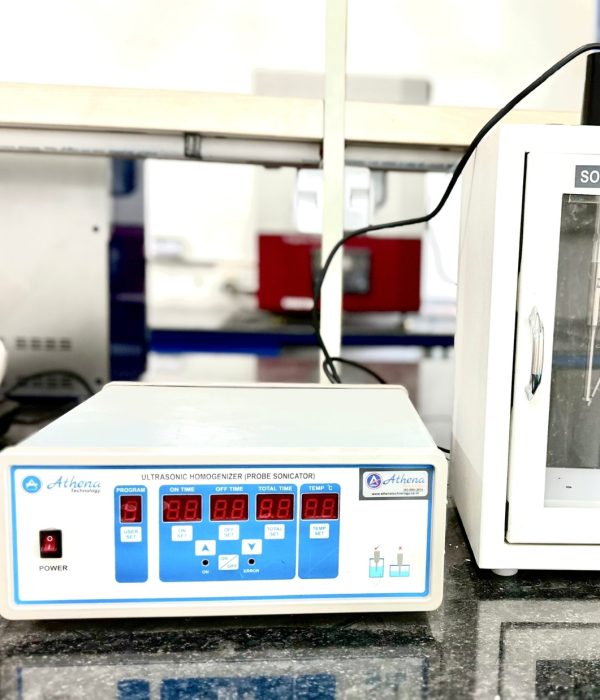
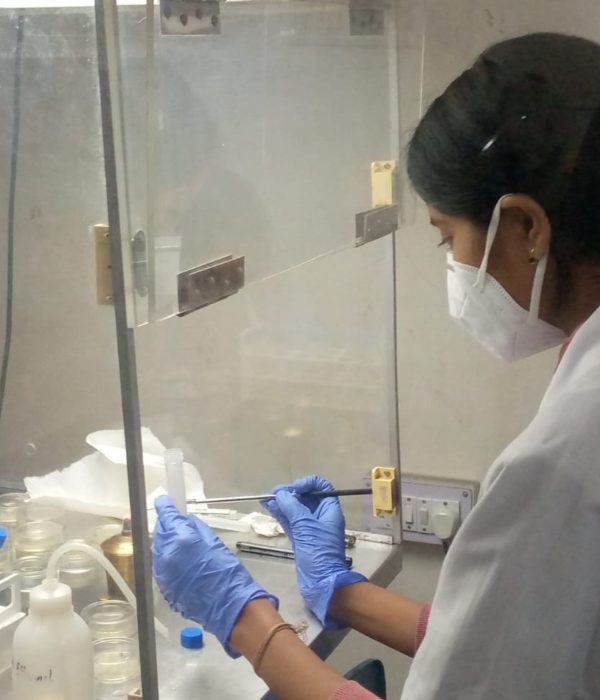
At Digianalix, our Metabolomics R&D unit wasn’t built just to run samples — it was built to answer real research questions. We work closely with our in-house and collaboration with Central Instrumentation Facility (CIF), which houses GC-MS, LC-MS, HPLC, FTIR, and XRD. But the real work happens when we apply these tools to problems in plants, herbs, food, and integrating with computational drug design pipeline.
Over the last few years, we’ve supported a mix of academic collaborations, industry partnerships, and our own internally funded projects. Here’s where we’ve seen real impact.
Plant & herb sciences
We’ve worked with university research groups on phytochemical mapping of native medicinal plants — things like identifying region-specific marker compounds in Withania somnifera and Ocimum sanctum. A few ongoing academic collaborations involve metabolomic profiling of drought-tolerant crops and herb quality control for Ayurvedic formulation labs.
Sample in-house project: Comparative metabolite profiling of organic vs. conventionally grown herbal raw materials using LC-MS.
Food science & nutraceuticals
We regularly take up industrial projects from food startups and nutraceutical companies detecting adulteration in herbal powders, or quantifying bioactive peptides in fermented plant-based products.
One ongoing industrial collaboration is with a functional food brand to map metabolite changes during shelf life of a moringa-based supplement.
Internal project example: We’re currently running a pilot on metabolomic markers of spoilage in plant-based milk alternatives using GC-MS and FTIR fingerprinting.
Drug design & natural product discovery
This is where metabolomics meets computational work. We don’t just identify metabolites — we hand over that data to our drug design team. For example, in a recently completed in-house project, LC-MS-based metabolomics of Andrographis paniculata led to the identification of three analogs with better docking scores than the parent compound.
Aacademic project on discovering metabolites with antimicrobial potential — handling both metabolomics and XRD-based structural confirmation.